



ST-10 nozzle guard: what to check before ordering
Identify the version by its markings
When ordering a nozzle protector, it is easy to pick a lookalike by colour and shape. For an accurate match, identify the series, version code and connection as installed. Photograph the whole assembly and its markings. Shut down the system normally before accessing connections. Do not dismantle it for a photo while it is running.
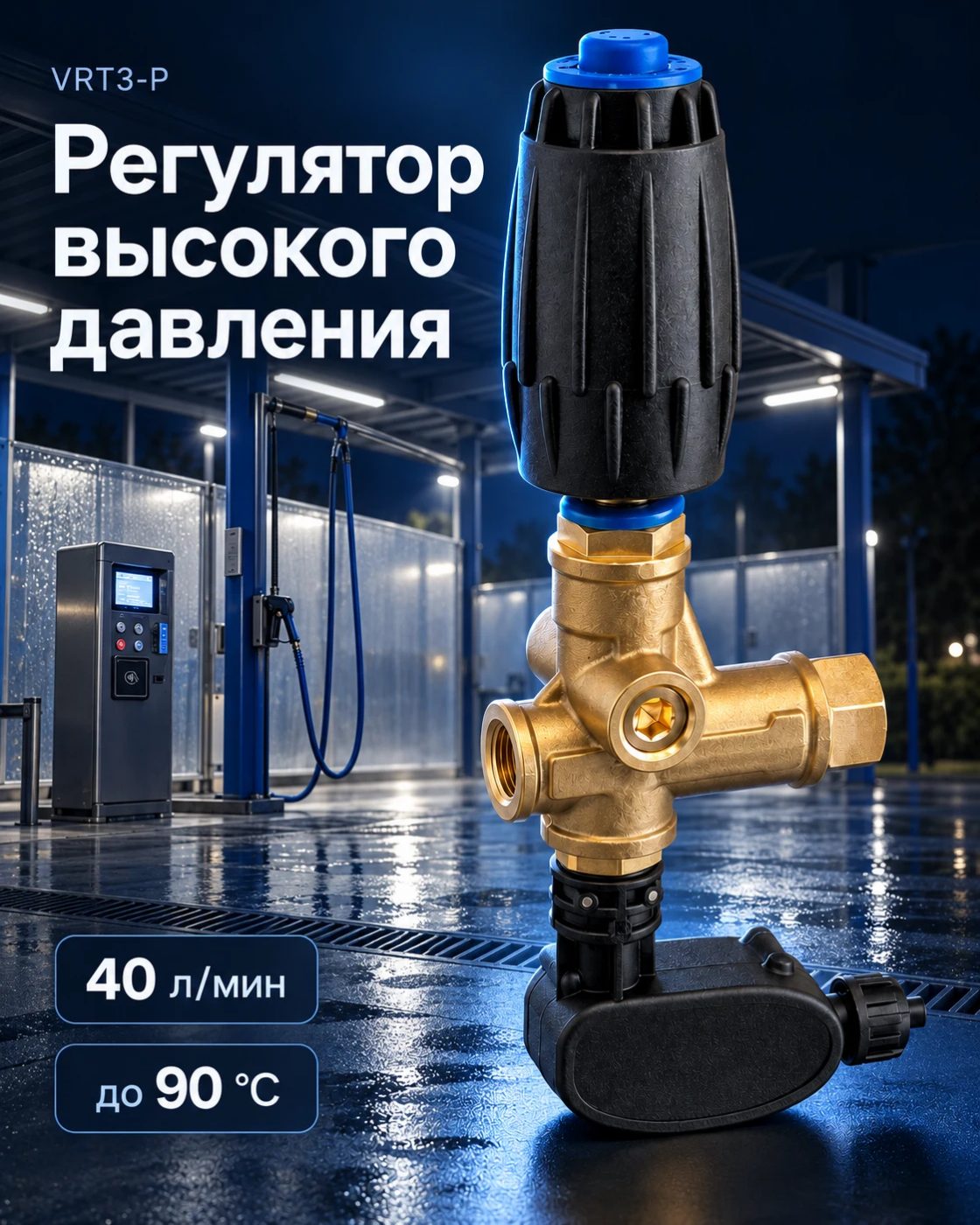
R+M Suttner describes the ST-10 as a nozzle protector made of hard and soft plastic. It fits around the nozzle. Selection must take the whole version into account, including the metal component.
Why operating limits vary within a series
The manufacturer lists ST-10 versions in galvanised steel and stainless steel with different pressure limits. Ratings for one version cannot be assumed for another. Before buying, look up the catalogue entry for the exact code.
Check the thread standard separately. A nominal thread size alone does not confirm compatibility.
Four photos for the supplier
- An overview of the lance and tip.
- Legible markings on the old protector.
- Markings on the installed nozzle.
- The connection and its dimensions, recorded during safe servicing.
Include the equipment model and the requirements in its data sheet with the photos. If the original code is unknown, ask for identification before ordering. Use “blue, as in the photo” only as a supplementary description.
What to check on delivery
Check the packaging, code, material and connections against the agreed specification. Inspect the product before installation. A protector that appears to fit on the lance still needs to be checked against every agreed parameter to confirm the delivery is complete and correct.
See the spare parts for wash bays. If you are also replacing the gun, see the guide to spray gun faults. Check the specifications of each part in its listing and technical data sheet.