





Microfibre for drying and wiping bodywork
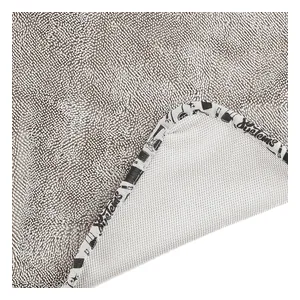
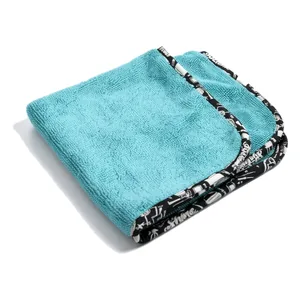
Microfibre cloths and towels for drying bodywork after washing and for wiping. Each item's size, density and edge finish, overlocked or edgeless, are listed in the table.
- 5 items
- Brand: Shine Systems
- Prices from 50 ₽
All items in the catalogue


Sizes and prices
| Item | Brand | Size | Price |
|---|---|---|---|
| Easy Dry Towel | Shine Systems | 50*60 cm | 300 ₽ |
| Microfibre, unhemmed, double-sided | Shine Systems | 40*40 cm, 400 g/m2 | 230 ₽ |
| Microfibre, unhemmed, short pile | Shine Systems | 40*40 cm, 400 g/m2 | 321 ₽ |
| Microfibre, overlocked, short pile | Shine Systems | 30*30 cm, 200 g/m2 / 30*30 cm, 260 g/m2 | from 50 ₽ |
| Uni Dry Towel | Shine Systems | 40*40 cm, 500 g/m2 | on request |
Data comes from manufacturers' price lists and descriptions. The price is the final retail price: the product manufacturer arranges and pays for delivery, which is already included in the product price. Purchase terms are in the public offer.
How the cloths in this category differ
Car microfibre looks similar but differs in four ways: size, density, pile and edge. The table above lists these for every item, and these four parameters guide the choice.
Size
This category contains three sizes. Easy Dry Towel 50×60 cm is the largest cloth, and the manufacturer explicitly describes it as absorbent microfibre for drying bodywork after washing. The 40×40 cm size is all-purpose and includes Uni Dry Towel and two edgeless microfibre cloths. The smallest size is 30×30 cm, overlocked short-pile: this size is more convenient for wiping than for drying the entire body.
Density
Catalogue densities range from 200 to 500 g/m². This is the weight of one square metre of fabric: a higher figure means a denser, heavier cloth. The overlocked short-pile 30×30 cloth comes in two densities, 200 and 260 g/m²; the edgeless 40×40 cloths are 400 g/m²; Uni Dry Towel is 500 g/m². Density appears beside size in every item's description, so you can compare cloths directly in the category table.
Pile and edge
There are two short-pile items in this category: overlocked 30×30 and edgeless 40×40; another 40×40 microfibre cloth is double-sided. Overlocking finishes the cloth's edge. The catalogue has both overlocked and edgeless items, with the distinction stated in their names so you do not have to guess when purchasing.
Which to choose for each task
Microfibre for drying a car is about area and absorption: a larger cloth means fewer passes over the body. Two catalogue items are described as absorbent: Easy Dry Towel 50×60 cm and Uni Dry Towel 40×40 cm at 500 g/m².
The small 30×30 cm size is more logical for wiping windows, mirrors, sills and door openings, where a large cloth gets in the way. This item has two densities, both overlocked.
Edgeless 40×40 cm cloths are a consumable format for tasks where the edge is not critical. The double-sided and short-pile versions differ in fabric texture; both have a density of 400 g/m².
Manufacturers do not specify washing instructions in the descriptions, so follow the label: the catalogue provides only size, density, pile and edge for these items.
Where microfibre fits in the wash cycle
Drying is the final step and the one by which the customer judges the wash: drops and streaks stand out on dark paint more than a clean body does. The sequence is: active foam softens the film of road dirt, touchless shampoo finishes cleaning the body, wax speeds up drying and, according to manufacturers' descriptions, protects against renewed soiling; only then is microfibre used.
Wax does not eliminate drying. Water remains in gaps, on mirrors, under handles and on sills; remove it there with a cloth. Manufacturers also select first-phase products with this finish in mind: MultiTec, for example, explicitly states that it rinses without streaks or whitish deposits. The article explains how the stages fit together Active foam or touchless shampoo.
Questions and answers
Which microfibre is needed for drying a car?
A large absorbent cloth. The manufacturer describes the 50×60 cm Easy Dry Towel specifically as absorbent microfibre for drying bodywork after washing, and the 40×40 cm Uni Dry Towel with a density of 500 g/m² as an all-purpose absorbent cloth. The small 30×30 cm format is more convenient for wiping windows, mirrors and sills.
What does a density of 200, 400 or 500 g/m² mean?
It is the weight of one square metre of fabric: a higher number means a denser, heavier cloth. This category has items at 200, 260, 400 and 500 g/m², with each density listed beside the size in the table.
What is the difference between overlocked and edgeless microfibre?
Overlocking finishes the cloth's edge. The catalogue includes both types: a short-pile overlocked 30×30 cm cloth and two edgeless 40×40 cm microfibre cloths. Edgeless items state this directly in their names, making purchasing errors less likely.
Is microfibre needed if the bay uses drying wax?
Yes. According to manufacturers' descriptions, wax speeds up body drying, but water remains in gaps, on mirrors and windows, and under handles; a cloth removes it. In the wash cycle, waxing and drying follow one another rather than replace each other.