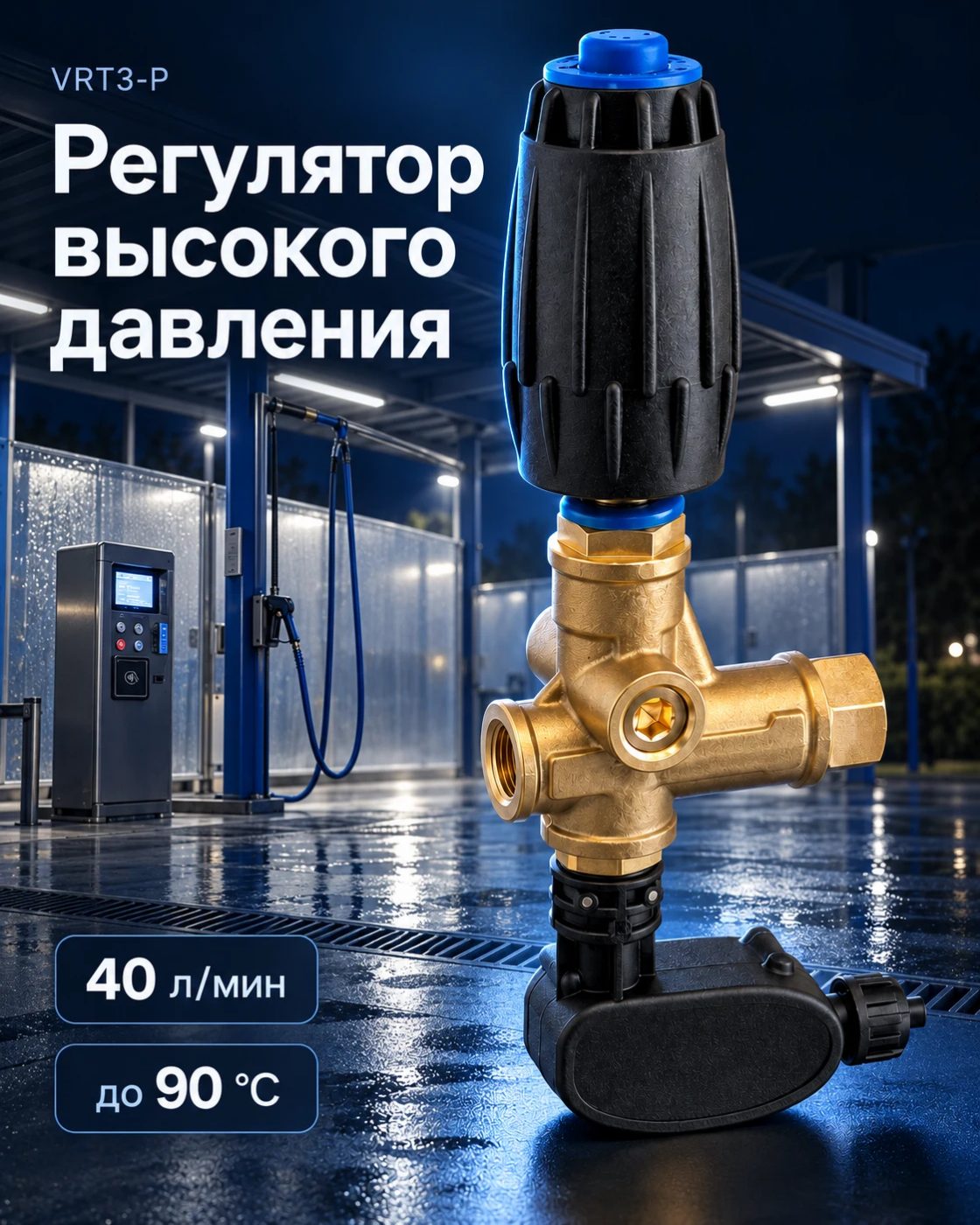





Car wash check valve: how to verify the configuration

First locate the valve on the system diagram
“Check valve for a car wash” is too broad for an accurate order. A wash site has several lines carrying different fluids. Show where the valve is installed by including the relevant section of the diagram, the markings and a photo of the assembly indicating the direction of flow. Appearance alone leaves too many questions unanswered.
If the valve has stopped working properly, describe the symptom and when it occurs. This gives the supplier an observation that a service technician can verify, which is more useful than a guess about the cause.
Two pressure ratings to distinguish
The Swagelok catalogue distinguishes cracking pressure from reseal pressure. These are separate specifications. Neither gives the allowable working pressure of the body. Use the labels from the data sheet for the selected series in your enquiry so each pressure value has its proper meaning.
Swagelok’s data illustrate how to read the documentation. They do not give ratings for every valve in our catalogue or establish that the valves are interchangeable.
Six details for selecting a valve
- Full valve designation and flow direction as installed.
- Working fluid, its composition and temperature.
- Required pressures and flow rate from the system documentation.
- Body and seal materials.
- Standard, size and type of each connection.
- Mounting orientation and available clearance.
Mark any missing details as unknown. Do not fill a gap with data from a similar product in a different system. For fluids containing chemical additives, confirm material compatibility separately.
How to order and avoid unnecessary returns
Before paying, ask the supplier to check the requested part number against the proposed version, item by item. Keep their confirmation with the data sheet and order so the part can be identified at the next service.
Open the spare parts section and send the details you collected to the seller. If you are also replacing a seal, read the O-ring selection guide. After installation, test operation using the procedure for the specific equipment.