




Washing microfiber towels and returning them to service at a car wash
Track each towel through the wash bay: what it was issued for, where it went after use and when it came back clean. Without that information, a fresh cloth can end up in the same pile as a towel used for a dirty job. A shift team can use the following system with labelled bins and a simple log.
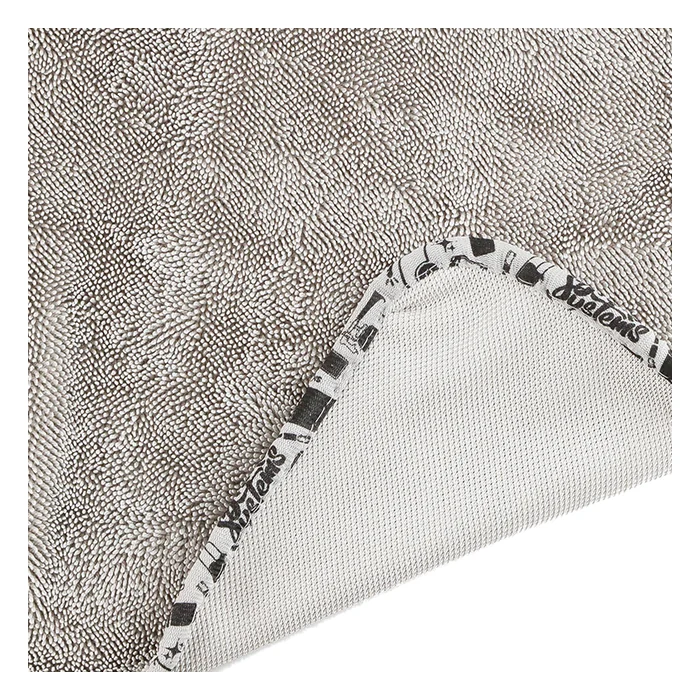
Start by matching the product to the job. GEIZER lists the Easy Dry Towel as an absorbent microfibre towel for drying vehicle bodywork, measuring 50 × 60 cm. The double-sided microfibre cloth without overlocked edges is listed as 40 × 40 cm with a fabric weight of 400 g/m². These specifications help compare products. Consult the care instructions separately.
Separate towels by task
Set up separate groups for drying bodywork, cleaning glass and jobs involving heavy soiling. Adapt the groups to the services your car wash actually offers. Label bins with words and use colour as an extra cue. Staff then need not remember the intended use of a blue cloth that happened to be available.
Give each group a clean towel pickup point and a separate used towel return point. Label the bins so a new employee can follow the process without guessing. During training, explain where to put a towel that falls on the floor and who decides whether it can return to its original task.
Sorting helps organise the work. Each towel still needs inspection before use. If you see particles embedded in it, set it aside for inspection and cleaning.
Choose the wash cycle for the towel and detergent
Keep the towel manufacturer's label or instructions. Check the permitted temperature, drying method and detergent restrictions. Ask for this information and the item number when purchasing. A blank product listing field does not mean every cycle is suitable.
The The Rag Company's care recommendations for its own microfibre products, fabric softener and chlorine bleach are ruled out. The manufacturer also advises washing separately from cotton and drying on low or no heat. These recommendations show why the regular laundry programme may be unsuitable for some car wash textiles.
Match the care procedure to the restrictions for both the towel and its detergent. If their requirements differ, ask the supplier for a compatible cycle. Follow the current instructions on the packaging in use.
Document a repeatable cycle
Prepare a laundry sheet for each towel group. Record the detergent, allowed load, programme and drying method. Copy the dosage and its conditions from the instructions for the detergent you use. A volume quoted for another product may be inappropriate.
Before loading the machine, check the basket and set aside items with unidentified contamination. The person starting the machine should be able to see what this batch of towels is used for. At the end of the cycle, record who received the batch and where it is drying. This is especially helpful when the shift ends before the towels are ready for use.
Do not experiment by combining detergents. If the result is poor, first check that the selected cycle was followed and consult the manufacturer's recommendations. Change one parameter per test cycle so you can identify what caused the difference.
Check the result once the towel is completely dry
Examine the towel in good light. Look for particles, edge damage and visible traces of dirt. To compare absorbency, use the same clean area and the same small amount of water each time. Use this comparison to track towel condition internally.
Record one of three inspection outcomes: return to the original task, clean again, or remove from this group. Mark any change of use on the towel or in the log. Assess a towel with unidentified contamination before reassigning it to another surface.
There is no universal number of washes after which a towel must be retired. Manufacturers, working conditions and types of dirt vary. Record the observed reason for rejection, such as embedded particles, damage or unsatisfactory results after permitted cleaning, instead of assuming a towel will last a hundred cycles.
Calculate stock from actual towel use
Count the clean towels issued from each group per shift and how many make it back after washing and drying. Note peak hours separately. If drying takes longer than a shift, one set in circulation will be insufficient even with careful handling.
The log can have five columns: group, clean at start, issued, returned ready for use, and withdrawn from service. Several ordinary shifts will give you a basis for the next order. This is more accurate than assuming two towels per car without data from the bay concerned.
Compare the Easy Dry Towel drying towel with the double-sided version without overlocked edges. Choose the product for the job and check its care requirements at the same time. Plan your next purchase around its intended use, available stock and the time it takes to return clean towels to service.