



Testing road salt residue remover before buying for a car wash

A cleaner trial should answer a specific question. Does the product work on the residue you normally encounter with the wash process you use? Compare under the same conditions and record the results. A single photo taken after a full wash cannot tell you how much of the result came from the new product.
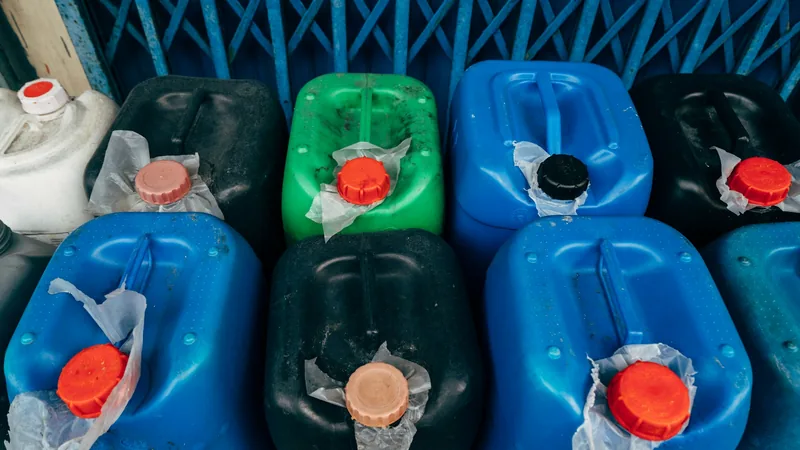
GEIZER lists Shine Systems ReagentOFF, item SS524, in a 20 L container. The listing describes it as a cleaner for road de-icer residue. Before ordering a batch for regular use, check the instructions and surface restrictions and ask how to obtain a suitable quantity for testing. Availability of a smaller sample is unconfirmed.
Define the task before choosing a cleaner
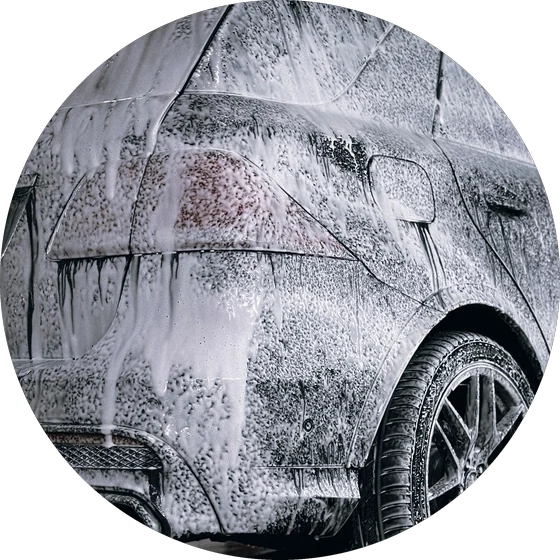
Describe what remains on the surface after your usual wash process. Identify the body panel, describe the mark and note the inspection conditions. “The lower door panel is still stained” gives you more to discuss than “winter cleaners don't work.”
Colour alone cannot identify a deposit. If its origin is unknown, send photos and a description to the technical specialist or supplier. A product intended for road de-icer residue may be unsuitable for other stains on a vehicle.
For the first trial, agree with the vehicle owner on the actions permitted and the area to test. Ask about films, coatings, repairs and materials that may affect whether treatment is appropriate. If you cannot obtain the necessary information, choose another vehicle for the trial.
Request documentation for the exact product
Keep a photo of the label, the item number and the current instructions. Check the required personal protective equipment and conditions of use. Check material restrictions and any limits on subsequent wash steps. The catalogue description alone cannot replace these documents.
Check the instructions for the exact item and pack size. The same name on two containers does not guarantee identical application conditions. If the supplier has several document versions, ask which applies to the batch you will receive. Keep the answer with the label.
There is no universal dilution ratio, contact time or assurance of compatibility with every coating. Copy these parameters into the test record from the confirmed instructions for your product. Obtain any missing information before testing.
Prepare an observation sheet
Use one form per trial to capture more detail than a comment such as “good result”. Complete it on paper or in a shared shift spreadsheet.
| Field | What to record |
|---|---|
| Test subject | Vehicle and test area agreed with the owner, without publishing personal data |
| Initial condition | Photo, description of the mark and washing performed before the trial |
| Product | Name, item number, batch and instructions used |
| Conditions | Measured or known conditions required by the instructions |
| Procedure | Permitted parameters and steps actually performed |
| Assessment | Condition after processing and drying, and operator observations |
Take before-and-after photos from the same position in comparable lighting. Note any change in conditions between shots. A difference in reflections can easily look like a change in the surface itself.
Compare results using the agreed wash process
The operator should follow the confirmed instructions and the agreed plan. Do not mix the product with other chemicals on your own to make it stronger. Do not repeat treatment just for a more impressive photo. If the result is unsatisfactory, record it and discuss the next step with a technical specialist.
Compare complete processes. A cleaning step may require specific follow-up operations. Skipping one would take the trial outside the manufacturer's procedure. Record all actions performed and any deviations from the plan.
If the surface changes in an undesirable way, stop the trial and follow the instructions and specialist guidance. Apply the finding only to this particular case and its known conditions. It cannot be extended to other materials.
Base the purchase decision on results and actual consumption
First establish whether the original objective was met and whether the person responsible accepts the result. Then assess the extra time, volume used and ease of use in the wash bay. Record actual consumption using your chosen measurement method. A single spray stroke or the impression that a container lasts a long time is insufficient to estimate treatment cost.
Several comparable trials reveal how conditions vary. They give a better basis for purchasing than one success, although they cannot guarantee the same result on every vehicle. When repeating a trial, keep the agreed parameters and document the reason for each change.
Before ordering ReagentOFF in the pack size for regular use check the current product listing and confirm any outstanding documentation. Keep the test record with the batch details so the next shift can repeat the agreed process and spot any differences in conditions or results.