

Three ways to enter the business through rental
The phrase 'renting a car wash' can mean one of three things, each with different risks.
- Lease an operating wash. The building, equipment and customers are already there: you pay the owner and can start operating the next day.
- Rent premises for your own wash. The owner provides the bay or building; you install the equipment.
- Lease land. The land belongs to someone else, while the building, equipment and utility connections are yours.
The more of your own assets you install on someone else's property, the more important the agreement becomes. In the first case, your main exposure is the rent; in the third, it is your entire construction investment.
Renting an operating wash: quick, but with someone else's past
This is the quickest option: sign the agreement and the wash is operating. There is no need to build anything or arrange approvals, and you can inspect revenue before deciding. However, you also inherit the wash's history.
- Why the owner is renting it out. The owner may be relocating or focusing on another business, or the wash may not be profitable. Ask for a year's revenue reports, not just the best month. We explain how to check actual revenue in the article Buying an existing car wash: what to check; the same checks apply to a rental.
- Equipment wear. Who pays to repair the pumps and automation if they fail a month later? This must be specified in the agreement.
- The location's reputation. You inherit map reviews along with the wash. Repairing a poor reputation can take months.
- Permission to make changes. Can you change prices, programs or signage, install your own equipment or add another bay?
This type of rental is useful for entering the business and understanding it from the inside. Growth is harder, though: every improvement you make stays with the owner.
Renting premises for your own wash
The second option is to rent a bay, warehouse or former repair shop and install your own equipment. The investment is lower than building from scratch, and the equipment remains yours.
The priority is to check technical suitability before signing. One self-service wash bay needs about 39 m² of bay space, around 30 m² for parking and maneuvering, at least 4 m² for a technical area, three-phase 380 V electricity with 7–12 kW of allocated capacity, water and wastewater drainage. Electricity and drainage rule out premises most often: there is no capacity or sewer connection, and the owner promises to arrange them. For a detailed guide, see Premises requirements for a car wash.

Leasing land and building a wash
The third option is a long-term land lease and your own construction. This is common when a good roadside site is available to rent but not to buy. It requires the largest investment and therefore the strongest agreement.
- Permitted land use. The site must permit a car wash or roadside service facilities. Otherwise, you will not obtain construction or utility connection approvals.
- Lease term. It should be substantially longer than your expected payback period. A short agreement with a verbal promise to renew risks losing everything you build.
- Utility connections. Who obtains technical specifications for electricity, water and sewerage, who pays and whose name the connections are registered in.
- Purchase option. If the land belongs to the state or municipality, find out whether you can buy it later.
The stages of this type of project, from selecting land to opening, are explained in Planning and building a self-service car wash.
What to check in a car wash lease
Rental rates differ severalfold between cities, so quoting an average is meaningless. The conditions behind the price matter far more. These are six clauses worth reading twice.
- Term and registration. An agreement lasting a year or more must be registered. Short agreements renewed every 11 months are easier to terminate, including for the owner.
- Rent increases. How and by how much the rent may increase. At the landlord's discretion is a poor clause; a clear percentage or an inflation link is better.
- Power capacity and wastewater. How many kilowatts the site is allocated in the documents and where the wastewater goes. Record figures rather than promises.
- Permitted use. The agreement must explicitly state that the premises or land may be used for a car wash.
- Permanent improvements. Who keeps the structures and connections you install, and whether the owner compensates you when the agreement ends.
- Termination. How much notice and what grounds the owner needs to evict you, and what you are allowed to take away.
Imagine that two years later the owner decides to sell the property. Under the agreement, what happens to your business and your investment? If the answer is unclear, the agreement needs work before signing, not afterwards.
Who keeps your investment
This is the main question in any car wash rental. The equipment is movable property and remains yours. However, the building, slab, canopies, electrical connection and sewer connection on someone else's property often become permanent improvements and stay with the owner when the agreement ends.
The more you invest in the site, the longer the agreement should be and the clearer its compensation terms. If the owner refuses to commit to a term and compensation, you may be better off finding another site or buying instead of renting.
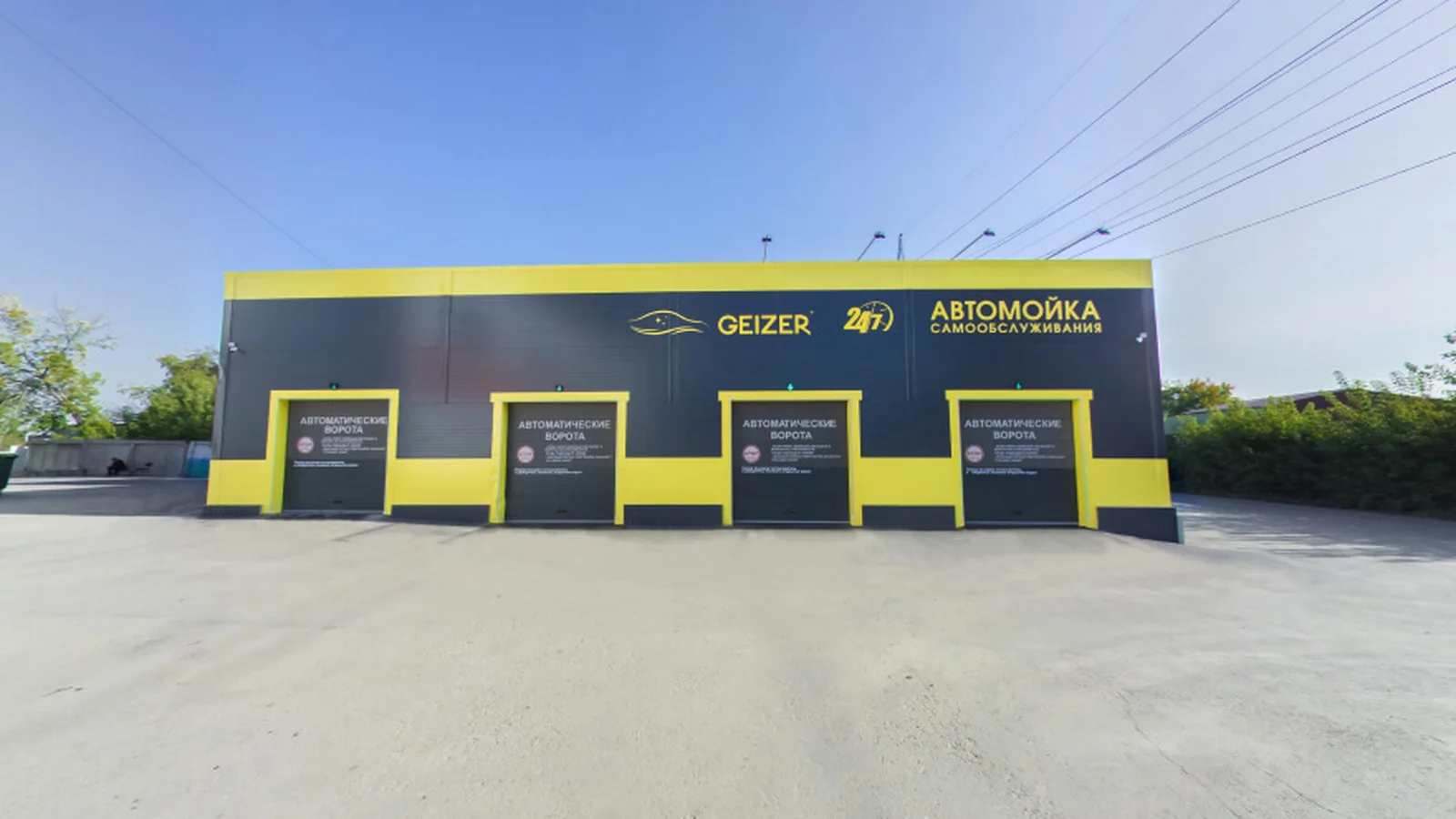
Renting a wash out: the property rental business
There is also the other side of this idea: an established rental business, where you build or buy a wash and lease it to an operator. For the owner, this means predictable income, but less than operating the wash personally, because the tenant keeps the operating profit.
This suits people who own a site but do not want to manage the wash. The risks are downtime between tenants and equipment wear caused by others. The agreement therefore needs the same clauses from the opposite perspective: who repairs equipment, how its condition is checked and what happens if the tenant leaves early.
How to check the site before signing
Before signing a lease for a self-service wash, inspect the site as thoroughly as if you were buying it.
- Documents. The landlord's ownership rights, permitted land use and technical specifications for electricity and water.
- Technical conditions. Actual allocated power, water supply, wastewater drainage, gate height and space for parking and turning.
- Location. Vehicle traffic on weekdays and weekends, visibility from the road, convenient entry and exit, and nearby competitors.
- Agreement. All six clauses above, with figures rather than promises.
We help future partners with these checks: a specialist reviews utilities, floor area and vehicle circulation before you sign. We manufacture BRIZ equipment in Barnaul; the basic set costs 430,000 ₽ per bay, and the franchise starts at 450,000 ₽ including delivery, installation, commissioning and training. The network currently has 199 washes in 69 cities. To request a site assessment, submit an inquiry on the services page.
Frequently asked questions
Can I rent a car wash?
Yes. You can lease an entire operating wash, rent premises and install your own equipment, or lease land and build a wash. The more of your own assets you install on someone else's property, the more important the agreement becomes.
Which is more profitable: renting an existing car wash or building your own?
An existing wash lets you start quickly without construction, but comes with someone else's history and no rights to improvements. Your own wash on leased land requires more investment but gives you control. The deciding factors are the lease term and who keeps your investment when the agreement ends.
What rented premises are suitable for a car wash?
One self-service wash bay needs about 39 m² of enclosed bay space, around 30 m² for parking and maneuvering, at least 4 m² for a technical area, 380 V electricity with 7–12 kW of capacity, water supply and wastewater drainage.
What should I check in a car wash lease?
The term and registration, rent increase conditions, allocated power and wastewater drainage, permitted use, what happens to permanent improvements and termination terms.
Who keeps the equipment if the lease is terminated?
The equipment is your movable property. However, the building, foundation slab and utility connections on someone else's property often become permanent improvements. Compensation for them must be agreed in the lease in advance.
How much does renting a car wash cost?
There is no single price: rates differ severalfold between cities and locations. The conditions behind the quoted rent matter more: increases, responsibility for repairs and utilities, duration and termination terms.
Can I rent my car wash out?
Yes. This gives a more predictable but lower income than operating the wash yourself. The agreement should specify who repairs the equipment and how its condition is checked.